
Empowering IMI’s transformation into a global media powerhouse through a strategic communications program spanning the MENA region.

In 2024, Cosmopole partnered with IMI, the Abu Dhabi–headquartered global media group, to shape a strategic communications framework driving its transformation journey. We delivered a region-wide programme combining insight-led messaging, thought leadership, and bespoke media engagement to elevate IMI’s visibility and investment appeal. The initiative secured exclusive C-suite coverage, talent profiling, and multiple industry awards, amplifying IMI’s position as a leader in News, Knowledge, and Factual Entertainment. Our internal communications framework further united IMI’s brand teams through cohesive storytelling and strategic alignment.
Drop us a line:
TEL: +971 50 852 1340
Send us an email:
info@cosmopole.com
Cosmopole is proudly founded in Abu Dhabi, the vibrant capital city of the United Arab Emirates, with teams in both Abu Dhabi and Dubai.
Highlight IMI group results included exclusive interviews with top C-Suite executives such as CEO, Rani Raad and CMO Rania Masri, and IMI brand talent profiling for prominent figures such as Sky News Arabia’s Editor in Chief, Nadim Koteich and Head of Business News, Lubna Bouza.
The strategy additionally supported creative collaborations and award recognition designed to amplify IMI’s mission to lead the market in News, Knowledge and Factual Entertainment. This included 8 industry award nominations and wins at a group and brand level, such as IMI’s Best Use of Generative AI for the Entrepreneur ME Tech Innovation Awards and Achievement in Media award at the Arab Woman Awards for Lubna Bouza for Sky News Arabia.
An additional internal communications programme supported the development of 21 internal content pieces, designed to champion alignment across the IMI brand portfolio teams and initiatives.
Drop us a line:
TEL: +971 50 852 1340
Send us an email:
info@cosmopole.com
Cosmopole is proudly founded in Abu Dhabi, the vibrant capital city of the United Arab Emirates, with teams in both Abu Dhabi and Dubai.
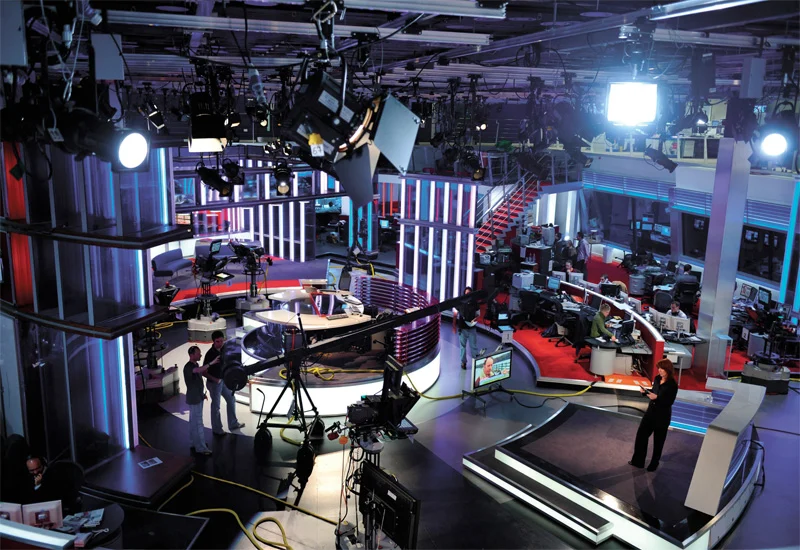
Sky News Arabia's GM Nadim Koteich shreds misconceptions around media, channels, audience, viewership, and the future of linear TV in conversation with Campaign Middle East. Marketers and advertisers often get starry-eyed looking at the gradually climbing viewership, engagement, and ad impression figures on analytics dashboards while building brands or sales funnels on social media channels. While this is true, the effectiveness and impact of campaigns on more traditional platforms such as linear TV remain undeniable. So, rather than one or the other, should brands and marketers make integrated and omnichannel approaches commonplace? Well, media leaders such as Nadim Koteich, the GM of Sky News Arabia, definitely vouch for an integrated approach. While digital channels offer targeted, interactive, and more affordable options, linear TV’s powerful storytelling capabilities have proven to maximise reach, reinforce strong brand messaging, and create memorable campaigns. Yet, there is a growing misconception that younger Arabs may not engage with traditional print, linear TV, and with the news across such integrated platforms. To determine the veracity of such misconceptions around media, channels, audience, viewership, and the future of linear TV, among others, Campaign Middle East decided to have an in-depth conversation with Sky News Arabia’s Nadim Koteich. Setting the record straight Koteich started the conversation highlighting how data makes the case for an integrated approach. Sharing insights from Sky News Arabia’s viewership and engagement, he said, “Besides the fact that studies show that 45 per cent of Arab youth still get news from TV, our data also shows that many of these misconceptions are simply not true. We continue to see engagement from people of all ages across our platforms. This is the beauty of having a multitude of options today to connect with audiences and cater to varying consumption needs.” That said, it’s quite clear that linear TV is no longer a solo player; it needs to tactically team up with various platforms to go where the audience is. For instance, Sky News Arabia has increased its focus on interactive and multimedia content to enhance user experience, ensuring its stories reach every device. “News must be mobile, creatively flexible, and timely to stay in the moment. We have a dedicated team producing bite-sized content for social media, alongside live-streaming breaking news and offering in-depth reports on our website. Engaging across these channels has enabled us to connect with younger audiences, receive instant feedback, and gain deeper insights into our viewers. We have also recognised that many prefer on-demand content, as people increasingly want to consume media on their own schedule and expect seamless access anytime, anywhere,” Koteich said. In a day and age where time and attention are the prime currency, the way this content is packaged becomes just as important. “In 2024, audiences across the Arab world increasingly favour short-form informative content that gets to the heart of the story – whether the content is political, trending news, business, or lifestyle. Time is a rare commodity these days, and it’s important for media and content creators to adapt to capture the reader’s interest,” Koteich said. “Short-form content is the most popular – whether it’s on Instagram or Facebook Reels, YouTube Shorts, TikTok, or Snapchat videos – reflecting the region’s youthful and highly connected audience.” Data also makes the case. Several studies also show that the UAE, Bahrain, and Qatar have the highest levels of social media adoption. Google has reported that Saudi Arabia is the biggest per capita user of YouTube worldwide. When it comes to TikTok, the top five countries by reach are in the MENA region. In Egypt, 77 per cent of YouTube users tune into the platform daily. “Social media provides direct insights through audience engagement, a key metric at Sky News Arabia that is essential to maximise and deepen our understanding of viewer preferences and consumption habits.It is important to create content specifically for each platform,” Koteich said. He went on to explain how Sky News Arabia caters to a cross-generational audience, consistently refining its content based on data-driven insights. “We have found that our flagship business programme, Business with Lubna, draws engagement from 35- to 44-year-olds, as well as youth aged 18 to 34. Similarly, our political programmes and segments continue to see online growth, such as our noon and 9pm shows – with the latter proving to be our third most engaging programme online,” he added. Linear TV: Content is king, Credibility is the throne Koteich goes on to share that the integrity and the authenticity of the content is what’s most important. “Where there is human behaviour, there is evolution. Brands now rely heavily on storytelling and unique content to engage audiences – and in the media industry, content is king. Regardless of the platform, content must be substantive and authentic. Our success is due to the multi-channel format, topical content, and conversational style of our on-air talent, complemented by various specialists’ expertise, which adds depth to the topics. The ambition is to create a deep connection with our viewers, where they tune into us as a trusted source of information,” Koteich explained. He also shares how this era of authenticity has transformed the role of journalists, presenters, and reporters, who are more than just conveyors of information since their connection with viewers can either build or undermine credibility. “It is important for journalists, producers, marketers, and advertisers to acknowledge that young people have a discerning eye and a wealth of content options at their fingertips. To keep them engaged, content must be consistent in authenticity, relevance, and speed, while offering a unique point of view,” Koteich said. “We have found that adopting more of a focus on the human story resonate better with younger audiences. In an over-saturated space, it is our unique delivery style and exclusive content that enable us to stand out. Young Arabs are looking to gather the data and form their own judgments – they don’t want to be told what to think; they want to be informed and inspired.” He added: “In today’s media landscape, to gain credibility in the eyes of the viewer, it is important to maintain the highest standards of ethical journalism, regardless of the platform we are publishing on. Every piece of content, whether news or analysis, upholds our commitment to honesty and clarity, blending classical journalism with a modern approach to engage effectively with our audience.” Understanding what drives engagement is not an easy task for marketers today, as algorithms often dictate the game. Koteich concluded, “It all starts with understanding your community’s needs and staying true to your brand and offering. As Steve Jobs once said, the idea is only 10 per cent of the work; without smart, collaborative execution, great ideas never leave the whiteboard. This has never been truer than in today’s interconnected landscape.”
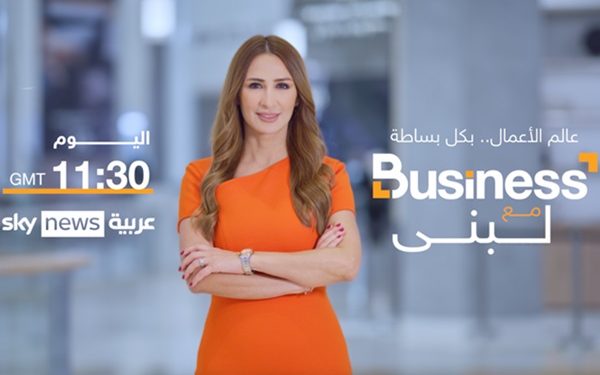
Hosted by Lubna Bouza, the show caters to both TV and social media audiences in the delivery of its content, generating nearly 34m organic content impressions in just three months since its launch. Sky News Arabia‘s programme Business with Lubna has become the channel’s second most-viewed show on social media platforms, offering insights into Arab audience preferences for news content. Hosted by Lubna Bouza, the Head of Business News and Presenter at Sky News Arabia, the show adopts a straightforward and conversational style, making business news accessible without complex jargon. Each episode covers a blend of current and evergreen topics, featuring a variety of experts who provide in-depth analysis on subjects ranging from the economics of luxury bags to the applications of ChatGPT 4o. Since its launch in May, the show has organically reached nearly 34m people across social media in just three months. It appeals to a broad demographic, from Gen Z to Gen X, and attracts both male and female viewers throughout the MENA region. The programme’s success is attributed to its hybrid TV and digital platform delivery, allowing it to connect with a diverse audience. Short clips from the show, shared on various platforms, have reached a wide audience across the Arab world. On Instagram, the clips have garnered 12.4m views (36.56% of the total), while TikTok videos have reached 12.3m views (36.23%), with an average watch time of 37 seconds, the highest among all platforms. TikTok also boasts the second-highest engagement rate, with 440,000 interactions. Speaking about the success of the programme, Rani R. Raad, CEO of IMI, said: “IMI is on a journey to transform the way each of our operating assets produces and delivers news, knowledge, and factual entertainment to contemporary audiences around the world. As part of this journey, Sky News Arabia is undergoing a series of major changes as they aim to deliver engaging content created for modern-day viewers. Business with Lubna is the first of many changes geared to reach new consumers while enriching the engagement experience of existing ones, all as part of our ambition for Sky News Arabia to be the world’s leading Arabic news network.” Business with Lubna is one of several new programmes launched on Sky News Arabia in recent weeks, including Morning with Maha led by Maha Abdullah and the sports programme Counter Attack with presenter Moosa Al Balushi. The transformation of the channel is led by its General Manager, Nadim Koteich who was appointed in January. Nadim Koteich commented: “The evolution of our programming line-up and content offering is a testament to IMI’s strategic vision of refining and innovating our content delivery to meet the ever-changing needs of our audiences. At Sky News Arabia, we have experienced first-hand the profound impact digital platforms have had on the way people consume news and information. The evolution of news consumption that has placed online platforms on par with linear TV has been remarkable, and by developing programmes with a digital audience in mind, we are not only expanding our reach but also offering our viewers the flexibility to engage with content on their own terms. We are thrilled with the positive response so far and look forward to witnessing the continued success of Business with Lubna.” The show’s appeal spans generations and regions, with significant viewership in Algeria, Iraq and Saudi Arabia on Facebook, and among 35- to 44-year-olds, as well as 25- to 34-year-olds on TikTok. The programme covers trending business topics and the impact of global news on regional economies, with viewers engaging in discussions in the comment sections of social media posts. Lubna Bouza added: “From the data we have, it is clear that our presentation style is strongly resonating with audiences from different age groups, genders, and nationalities. Our objective is to move away from the noise to get to the bottom of the news and offer a deeper understanding to anyone from CEOs and entrepreneurs to those exploring the world of business for the first time. I am humbled to see the success of the programme, and I want to give a big ‘thank you’ to the team working tirelessly with me each day to deliver this unique product.”
IMI, a privately-owned global media group headquartered in the UAE, has announced the launch of the IMI Academy, which will play a pivotal role in shaping the region’s media landscape. The academy will equip the next generation of journalists and content creators with the skills and resources necessary to excel, offering an advanced curriculum focused on media, journalism, and content creation using the latest learning methodologies. IMI has undergone a significant transformation under the leadership of Group CEO Rani R. Raad, who also serves as president and operating partner of Redbird IMI. The launch of the IMI Academy represents the latest milestone in this ongoing journey, building on a series of strategic initiatives aimed at expanding and enhancing the group’s offerings. These efforts include the appointment of new divisional leaders at IMI, the introduction of new editors-in-chief at Sky News Arabia and CNN Business Arabic, and a comprehensive overhaul of the group’s editorial assets, focusing on both content strategy and product innovation. Training and knowledge exchange have long been part of IMI’s operations, driven by the unwavering commitment of its various media entities and their training initiatives. The National recently initiated its second cohort of its graduate training program designed to provide young graduates with the essential skills and insights for a successful career in journalism. Also, since its inception in April 2021, Sky News Arabia Academy has made significant strides in nurturing future media professionals, journalists, and content creators, delivering high-caliber courses to a wide range of participants, from youth and students to aspiring media professionals, business leaders, and CEOs. The IMI Academy will build upon these under the leadership of Faisal bin Huraiz as its director. Bin Huraiz first joined Sky News Arabia as a key member of its launch team and has been one of the channel’s leading anchors since 2012, conducting interviews with high-profile political figures such as UAE Vice President and Prime Minister Sheikh Mohammed bin Rashid Al Maktoum, Syrian President Bashar Assad, and Egyptian President Abdel Fattah El-Sisi. In addition to his role in the newsroom, he has garnered extensive expertise as a trainer, coach, and certified mentor over the past 17 years, training more than 3,000 individuals, including top-level executives, government officials, students, and graduates. Raad said: “From the outset, our vision has been to build IMI into a global media powerhouse that enriches and empowers lives through cutting-edge media products, content, and user experiences, delivered by best-in-class journalists and professionals. “We are proud to have made significant strides toward that goal over the past year, and we recognize that this progress brings with it a responsibility to nurture the next generation of media talent in the region, helping to grow this vital sector that we aim to lead. The establishment of the IMI Academy will introduce a new offering that supports the ongoing learning and development needs of our evolving industry. “I am delighted to welcome Faisal bin Huraiz to this new role, which he will take on alongside his position as a presenter at Sky News Arabia. Faisal is an exemplary Emirati talent, and one of the region’s most highly certified professionals in media training, Faisal has been instrumental in the success of the Sky News Arabia Academy since its inception. In his new role, the IMI Academy will benefit not only from his expertise at Sky News Arabia but also from the strengths of The National, CNN Business Arabic, and Al-Ain News. I am confident that he will lead the IMI Academy to become the region’s foremost media training hub.” Under bin Huraiz’s leadership, the academy will introduce world-class training and development programs, featuring modern curriculums delivered through advanced practical teaching techniques and accelerated learning methods. All courses will be aligned with global standards to ensure the highest levels of professionalism and will incorporate the latest technologies, including AI tools. Reflecting on his new role, bin Huraiz said: “I am honored by the trust placed in me to lead the IMI Academy. This role perfectly aligns with my passion for training, capacity building, and media empowerment. In today’s era of storytelling, owning and effectively conveying your narrative is crucial — if you do not tell your story, someone else will. The experiences I’ve gained at Sky News Arabia, both in the newsroom and on the field, have deepened my commitment to advancing media training in our region. My goal is to enhance professionalism and empower every speaker and decision-maker to communicate their message effectively. “I look forward to working with our experienced team to build on their excellent work and deliver innovative, impactful programs tailored to the needs of individuals, institutions, and governments, while upholding the highest professional and ethical standards.” In addition to his extensive training accreditations and certifications, bin Huraiz holds a bachelor’s degree in mass communications from UAE University and an associate degree in cinematography and film/ video production from the New York Film Academy.
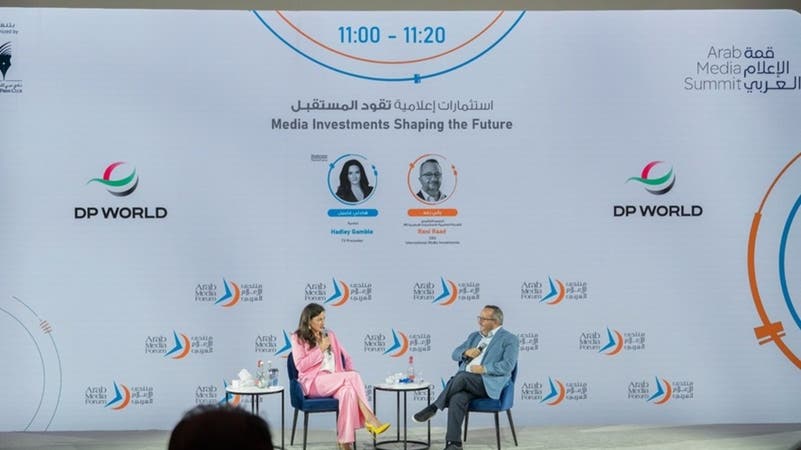
Abu Dhabi-backed RedBird International Media Investments (IMI) CEO Rani Raad said The Telegraph will be a “weaker brand” after the company’s planned acquisition of the newspaper collapsed. “It’s a shame that it played out the way that it did… and ultimately I think the Telegraph will be a weaker brand,” he said in an exclusive interview with Al Arabiya English’s chief international correspondent Hadley Gamble during a session at the Arab Media Forum. RedBird IMI effectively took control of the Telegraph and the Spectator magazine in December when it repaid a debt owed by then-owner the Barclay family to Lloyds Bank, including a $753 million loan against the titles. The acquisition, however, which already faced a lengthy regulatory inquiry, was dealt a blow in March when Britain said it would stop foreign governments owning newspapers. Noting that the deal was derailed because changes were made to it after its closure, Raad said he remained optimistic as the company is focused on selling The Telegraph and The Spectator. For all the latest headlines follow our Google News channel online or via the app. “Regulators make the rules. Lawmakers make the rules. And when we closed the Telegraph deal, the rules were changed after the fact,” he said. “We are now focused on selling The Telegraph and The Spectator. We will sell it at a premium. We will make our money back and then some and move on to other markets and focus on other opportunities.” He added that he believes the collapse of the takeover will affect The Telegraph more than IMI. “What my fear is that what has happened with The Telegraph will cost the Telegraph employees and the UK government more than it will cost us over here.” During the session, Raad, the former president of CNN International Commercial, also commented on the media scene particularly recent challenges faced by the American network which recently hit a 30-year low in primetime ratings. “Don’t discount CNN,” Raad said adding that the sector is going through a drastic transformation. “I think what they need to do is triangulate how to serve a new audience of news consumers.” Raad also said that CNN needs to adapt to the evolving preferences of modern audiences, adding that while the network’s recent performance is concerning, there is potential for reinvention and growth.
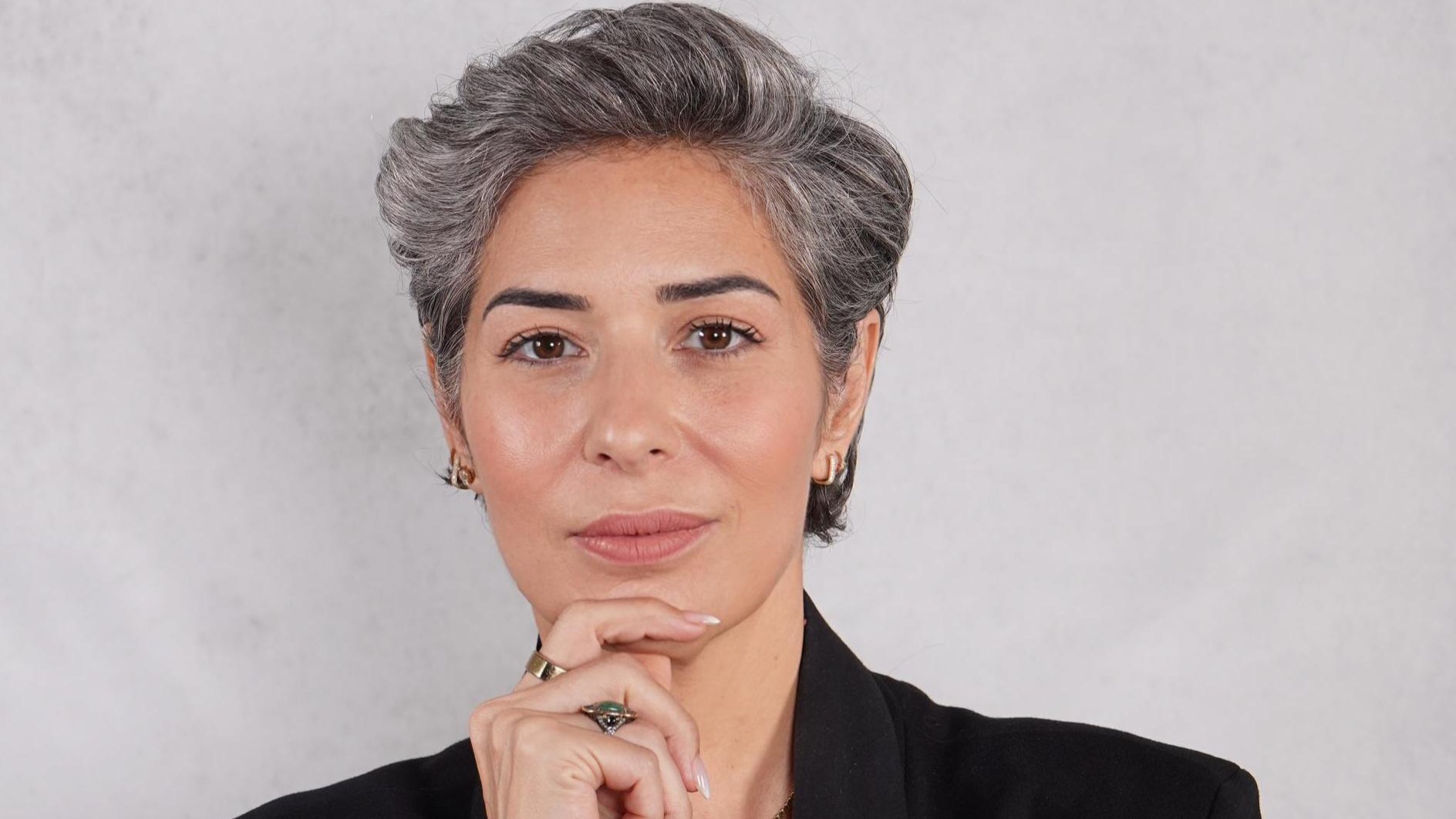
The newly rebranded IMI, which is a privately owned, global media group headquartered in Abu Dhabi with operations across 19 countries and whose portfolio includes renowned media brands such as Sky News Arabia (as part of a joint venture with Sky UK), The National, Al-Ain News, CNN Business Arabic, and a minority stake in Euronews. Additionally, through Redbird IMI, its joint venture with Redbird Capital Partners, it invests in leading media, sports, and entertainment brands worldwide. With all this studded background, Communicate reached out to Rania Masri, Chief Brand and Marcomms Officer at IMI about several topics pertaining to the broadcast and entertainment industry today. IMI just unveiled a new identity under the theme of “connection.” Considering IMI is now reaching 19 territories, where is the fine line between connecting cultures and diluting your identity to be a people-pleaser? At IMI, we are deeply committed to using our platforms responsibly by sharing stories that connect people, bridge cultural gaps, and foster a positive, forward-thinking world. Balancing connection with authenticity is a challenge that every global brand faces. Our new identity, centred on the theme of "connection," captures our essence of being human, optimistic, and empowering. We aim to resonate universally through shared values while respecting local nuances. This approach reflects our vision of "A World Closer," a world where people are more connected, and gaps are bridged through understanding and empathy. Through the power of impactful content, IMI’s presence across 19 territories allows us to tell stories that matter to diverse communities. This demonstrates that global connection doesn’t mean diluting our identity to please everyone—it means fostering meaningful relationships that empower us to connect with broader audiences in impactful ways. How are you harnessing new technologies – specifically AI – to better reach and connect with your various audiences? At IMI, we are embracing AI as a transformative tool to enhance our connection with diverse audiences. By analysing vast amounts of data across multiple channels and languages, AI enables us to understand what our audiences think and feel, allowing us to create content and products that meet their needs with precision and speed. Beyond audience insights, AI also elevates our content creation and production capabilities. Our creative teams utilise AR and VR technologies to craft immersive experiences, transporting audiences to different spaces and times. This innovation has recently earned us industry recognition. AI is now embedded into IMI’s operations, from personalised content recommendations to data-driven storytelling. For example, we have pioneered the use of AI in producing promotional videos, short-form documentaries, and graphical openers. These productions leverage generative AI across the entire workflow, including visuals, audio, music, voiceovers, sound design, and platform adaptation. This innovation recently earned IMI Creative Services the award for Best Generative Use of AI. Today, nearly 80% of IMI’s documentary creative artwork incorporates AI, supported by multiple specialised AI models to ensure alignment across visual, auditory, and narrative elements. We view AI not just as a tool to expand reach but as a powerful enabler of relevance and resonance in our storytelling. You are moving to new headquarters at Yas Island; to be honest, most of the time this is simply a cosmetic change. How will this be a major shift for your organisation internally? The move to our new headquarters, along with the launch of our new brand, represents a significant milestone in IMI's transformation journey. It reflects a strategic repositioning that goes beyond aesthetics to redefine how we operate as an organisation. Our Yas Island HQ was designed with our people at its core, and technology and innovation at the forefront. Bringing together most of our brands under one roof, the space features state-of-the-art broadcast, digital, and audio studios equipped with the latest technologies. This integrated setup fosters collaboration, creativity, and growth. By working together, our teams are inspired to raise the bar, creating a ripple effect of excellence that extends to our audiences and guests. The new HQ is more than a workspace—it’s the engine driving IMI’s success. We have invested in best-in-class support services, cutting-edge tools, advanced studios, and an exceptional working environment to empower our teams and enable our network of companies to thrive. We also believe a brand must be experienced to be remembered. Our HQ promises to deliver unique and immersive guest experiences, making every visit memorable. It is a cornerstone of our culture and strategy, offering spaces for innovation, cross-functional collaboration, and talent development. Its design and technology infrastructure reflect IMI’s commitment to industry-wide progress, ensuring we lead with impact and purpose. IMI Media Academy, which is committed to fostering the next generation of media talent, is under your organization. As of late sadly, this is becoming a “me-too” – a section that over-promises and under-delivers. How is IMI Media Academy different from the rest and what – on the ground – did it deliver so far? No brand should exist without giving back, and as a leading global media group, IMI recognises its responsibility to nurture the next generation of media professionals. The IMI Media Academy reflects this ethos, building on the success of initiatives like the Sky News Arabia Academy and The National’s Graduate Training Programme. In recent years, greater collaboration and streamlined operations across IMI have enabled the Academy to evolve into a unified platform. This year alone, we have successfully trained hundreds of individuals and welcomed many graduates into our professional network. These results demonstrate the Academy’s ability to foster real-world readiness and equip participants with tangible skills. The Academy stands out with its hands-on approach, integrating industry practitioners into the learning process. Participants engage with cutting-edge technologies and state-of-the-art tools, gaining experience in an applied environment. This isn’t just about training—it’s about launching meaningful careers. The IMI Media Academy bridges the gap between theoretical learning and practical application, empowering graduates to shape the future of media. At the end of the day, everyone claims to see the future, but we are – on all possible levels – in uncharted territories. Still, for your two cents, where do you see things going for the broadcast and entertainment industry and at what pace? The future of the broadcast and entertainment industry hinges on how well we stay ahead of societal change. To remain relevant, we must anticipate the evolving needs of our audiences. The future is "anywhere, anytime" news and entertainment, ensuring we stay top of mind by being available when and where our audiences need us. Breaking news alone is no longer a differentiator. IMI focuses on leveraging the latest tools, platforms, partnerships, and investments to craft experiences that engage and resonate. A successful brand must be discoverable on preferred platforms, capture attention quickly, and deliver deeper value through engaging, longer-form content. Time is the ultimate luxury, and trust, consistency, and meaningful engagement are key to earning it. The industry is rapidly evolving, with emerging technologies like omnichannel, AI, immersive experiences, and data analytics driving change. At IMI, we foresee a future shaped by AI-driven personalisation, real-time content, and interactive formats. Alongside these advancements, authenticity and human connection will remain essential, balancing technological innovation with storytelling that resonates deeply.Rania Masri, Chief Brand and Marcomms Officer at the newly rebranded IMI spoke to Communicate about several topics pertaining to the broadcast and entertainment industry today.
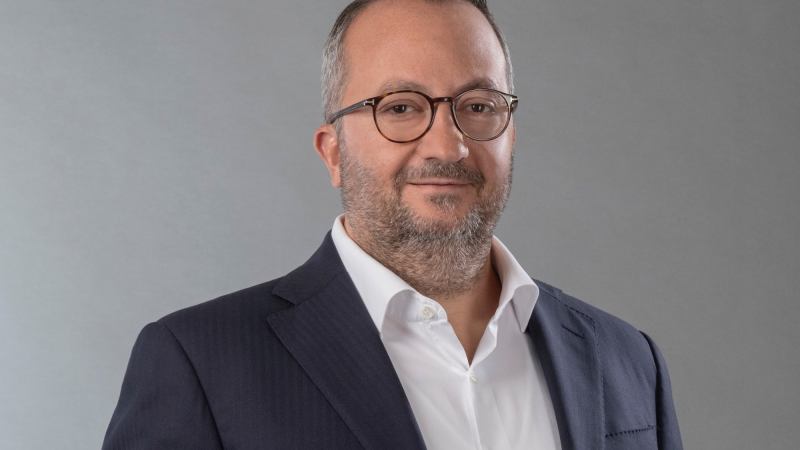
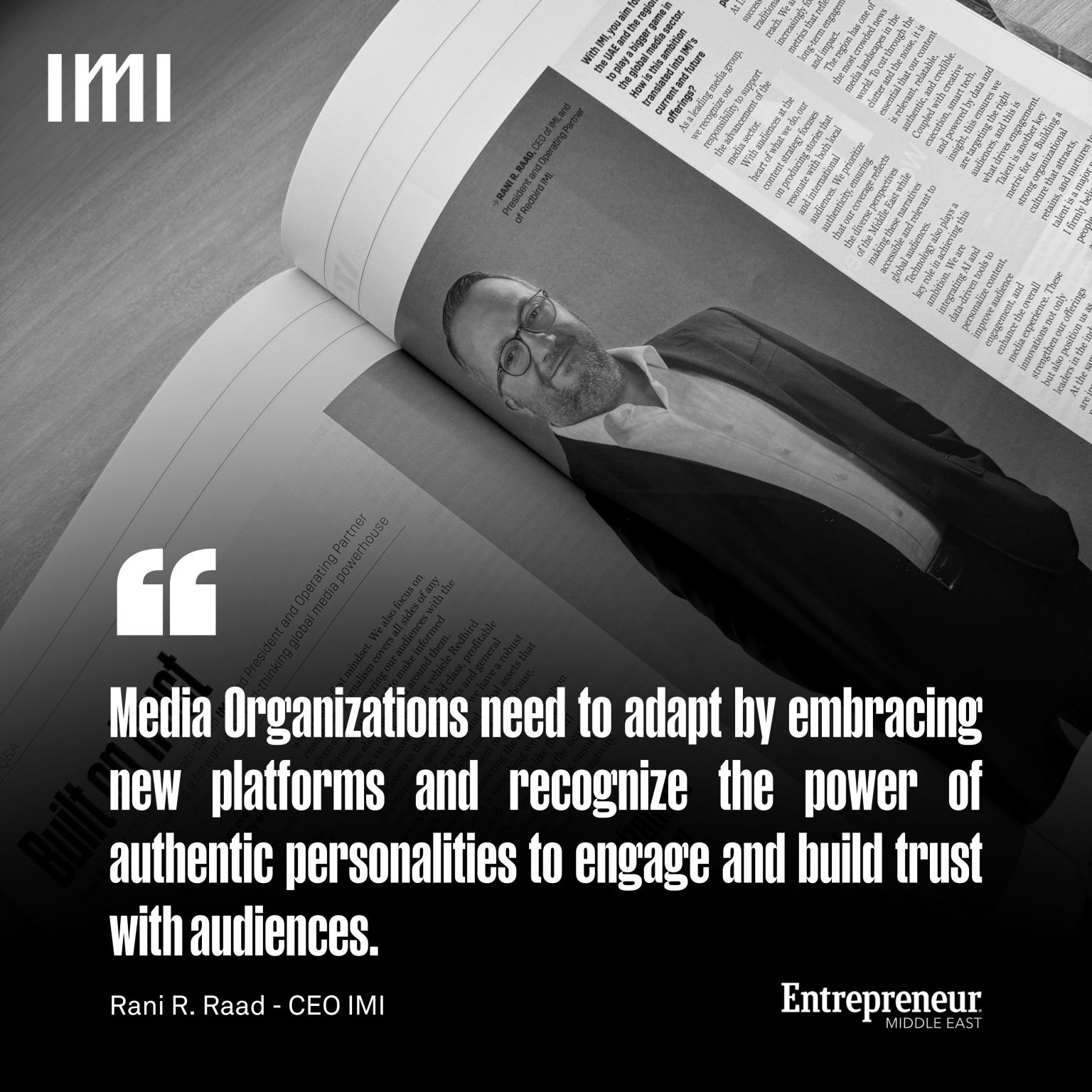
To begin with, please give us an overview of the media sector locally/regionally and globally. There has never been a more exciting time for our sector. Between the advancements in artificial intelligence (AI) and the proliferation of audiences across social media platforms, the media industry—especially legacy brands—must reinvent themselves completely or face being left behind or even becoming extinct. Equally, media owners and brands are more in touch with their audiences and are constantly evolving to improve their chances of thriving. In this new era, creativity and content will be critical. We’ve seen how individuals—podcasters, YouTubers, TikTokers, and other content creators—can shape public opinion and even influence global events. Media organizations need to adapt by embracing these new platforms and recognizing the power of authentic personalities to engage and build trust with audiences. Regionally, the Middle East is uniquely positioned to lead in this transformation. The UAE and Saudi Arabia, for instance, are among the top users of platforms like TikTok, reflecting the region’s digital-savvy, mobile-first population. The demand for interactive and culturally relevant content is growing rapidly, and this presents incredible opportunities for innovation and growth. How is IMI positioned in the media industry, regionally and globally? Regionally, we have a distinguished portfolio of leading media brands, which include Sky News Arabia, The National, Al-Ain News, and CNN Business Arabic. Each of these brands has its own identity and unique consumer proposition, but share a commitment to delivering high-quality, best in class journalism with a digital-first mindset. We also focus on ensuring our journalism covers all sides of any given story, empowering our audiences with the information they need to make informed decision about the world around them. Globally, via our investment vehicle Redbird IMI, we are investing in world class, profitable media assets in the news, sports and general entertainment space to ensure we have a robust portfolio of local, regional and global assets that position IMI as a global media powerhouse. Finally, our commitment to talent development and fostering the next generation of media leaders is something we take very seriously. Through initiatives like the IMI Media Academy, we are shaping the next generation of media professionals, ensuring that we remain at the forefront of creativity, innovation, and excellence. With IMI, you aim for the UAE and the region to play a bigger game in the global media sector. How is this ambition translated into IMI’s current and future offerings? As a leading media group, we recognize our responsibility to support the advancement of the media sector. With audiences at the heart of what we do, our content strategy focuses on producing stories that resonate with both local and international audiences. We prioritize authenticity, ensuring that our coverage reflects the diverse perspectives of the Middle East while making these narratives accessible and relevant to global audiences. Technology also plays a key role in achieving this ambition. We are integrating AI and data-driven tools to personalize content, improve audience engagement, and enhance the overall media experience. These innovations not only strengthen our offerings but also position us as leaders in the industry. At the same time, we are investing in people. By empowering talent— whether through training programs, collaborations, or partnerships—we are ensuring that the region’s brightest minds are driving this transformation. Our goal is not just to participate in the global media landscape but to shape it. What are some of the most important metrics that you focus on to assess IMI’s performance and growth potential? At IMI, we believe that success goes beyond traditional metrics like reach. We are increasingly focused on metrics that reflect long-term engagement and impact. The region has one of the most crowded news media landscapes in the world. To cut through the clutter and the noise, it is essential that our content is relevant, relatable, authentic, and credible. Coupled with creative execution, smart tech, and powered by data and insight, this ensures we are targeting the right audiences, and this is what drives engagement. Talent is another key metric for us. Building a strong organizational culture that attracts, retains, and nurtures top talent is a major priority. I firmly believe that our people are our greatest asset, and their success is a direct reflection of our organization’s success. What have been the biggest challenges you have faced in reaching your goals for IMI? One of the biggest challenges is time. Building a strong culture and aligning teams around a shared vision is not something that happens overnight. Transformations like this require patience, perseverance, and a willingness to navigate resistance to change. Another challenge is data. While digital platforms provide more data than ever before, making sense of it and integrating it into a cohesive strategy can be complex. We’ve had to focus on building the right infrastructure and expertise to ensure that our data is actionable and aligned with our goals. Finally, adopting new technologies like AI comes with its own set of challenges. It’s not just about implementing these tools but ensuring that they’re used effectively and ethically. This requires significant investment in training and creating a culture that embraces innovation. What are some of the most important projects you are focusing on right now? There are several exciting initiatives underway at IMI. First, we’re making significant investments in AI and other technologies to enhance productivity and improve our storytelling capabilities. AI is not just a tool for efficiency; it’s a way to create more engaging and impactful content for our audiences. We’re also moving to a new headquarters, which represents a fresh chapter for IMI. It is a state-of-the-art building that features various unique, immersive experiences for our visitors and will foster collaboration, creativity, and innovation amongst our people, empowering our teams to do their best work. On the content front, our brands are continuing to innovate in what they deliver to audiences, with a host of new programs and content lined up for the months to come. ‘TREP TALK IMI CEO Rani R. Raad Advises Media Executives in the UAE FIRST, EMBRACE INNOVATION, but do so with purpose. It’s not enough to adopt the latest technology for the sake of it. Focus on how these tools can enhance audience engagement, build trust, and make your content more relevant. SECOND, FIND THE BALANCE BETWEEN LOCAL RELEVANCE AND GLOBAL APPEAL. The UAE has a unique voice, and staying connected to local narratives while thinking globally can elevate your organization’s impact. FINALLY, PRIORITIZE YOUR PEOPLE. Talent is the backbone of any successful media organization. Foster a culture of learning, collaboration, and inclusivity. Invest in your teams, and they will drive your success.









Drop us a line:
TEL: +971 50 852 1340
Send us an email:
info@cosmopole.com
Cosmopole is proudly founded in Abu Dhabi, the vibrant capital city of the United Arab Emirates, with teams in both Abu Dhabi and Dubai.
Cosmopole is proudly founded in Abu Dhabi, the vibrant capital city of the United Arab Emirates, with teams in both Abu Dhabi and Dubai.



Cosmopole is proudly founded in Abu Dhabi, the vibrant capital city of the United Arab Emirates, with offices and teams in both Abu Dhabi and Dubai.